Lake George Peak Foliage: When to See Fall Colors at Their Best
If you search or ask someone, “When is peak fall foliage in Lake George?” you’re sure to get some variation of “It depends,” in response. While that’s true - the colors do rely on a specific mix of changes in the length of daylight, temperature, precipitation, and elevation - we can take a look at average peak times historically, to get the best sense of when the leaves should be at their most vibrant.
Sponsored by:
As we head closer into the fall season, I Love NY puts out a Fall Foliage Report that offers impressive detail on what’s happening with the color changes across various regions of the state, that you can take a look at for real-time info. These reports usually begin in early September.
Peak Foliage in Lake George & The Adirondacks: It Differs Across the Region
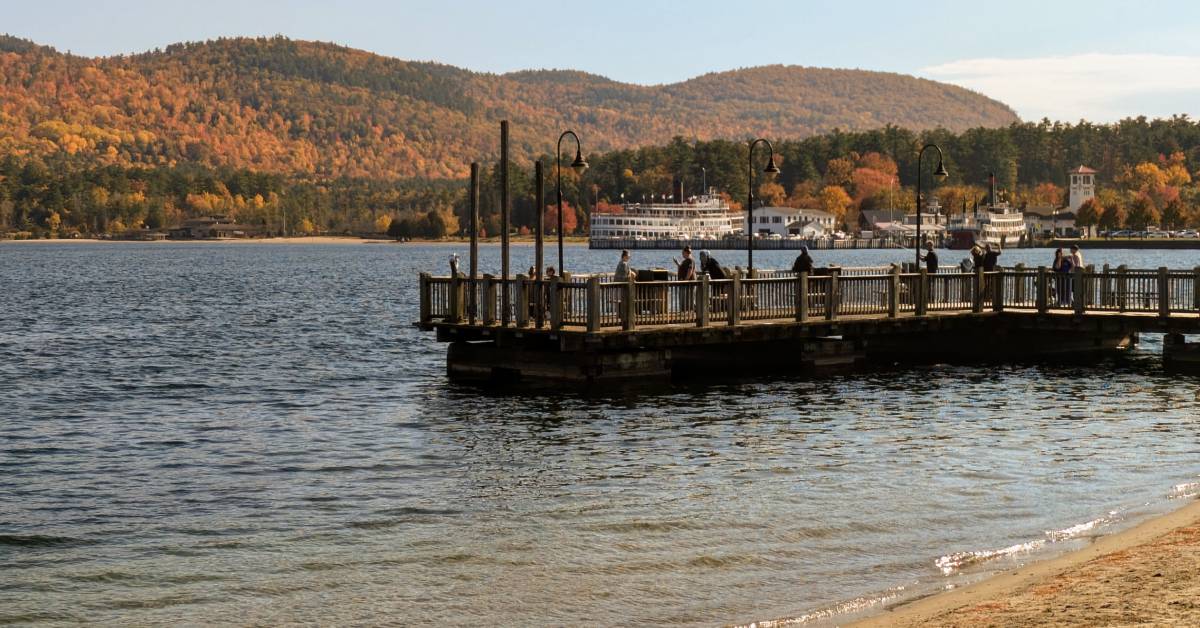
It may be easy to assume that the Adirondack fall foliage reaches peak color at the same time across the region. Because the Adirondack Park (which includes Lake George) is so vast, with a variety of elevations, the color change moves gradually across the area.
Take a look at average peak foliage in Lake George and surrounding areas:
- High Peaks (Lake Placid/Keene/Whiteface): Late September - Early October
- Central Adirondacks (Old Forge/Indian Lake/Long Lake) - Early October
- Northern Lake George (Hague/Ticonderoga/Chestertown/Schroon Lake): Early to Mid October
- Bolton Landing & North Creek: Mid October
- Lake George Village: Mid to Late October
- Queensbury & Glens Falls: Mid to Late October
- Saratoga Springs: Late October
Remember, the above is based on historical averages. In 2025, peak foliage arrived in Lake George Village around October 22. For more info on what can affect when the colors do their thing, keep reading.
Why Peak Foliage Varies Around Lake George
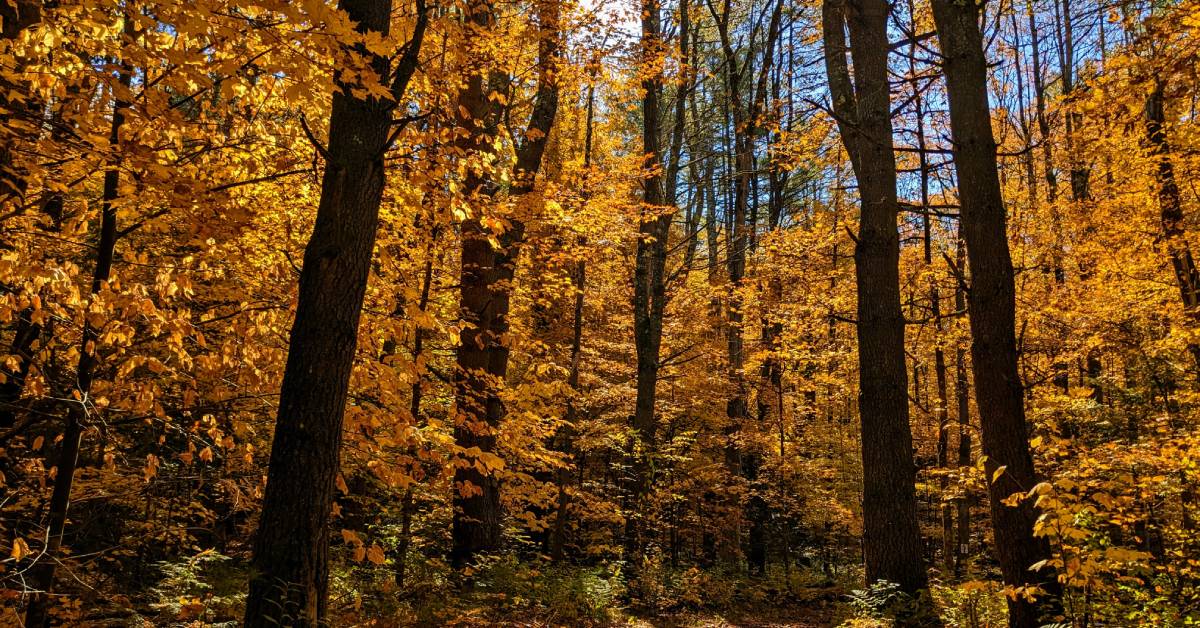
The elements that can affect when the colors change include elevation, latitude, temperature, day length, and proximity to water. Additional related factors can come into play, like early frosts, wind, the health of the trees/insect damage, if there have been heavy rainstorms, etc.
Elevation likely plays the biggest role with foliage, although it’s all connected. Mountains and higher-elevation communities experience cooler nights earlier in the season, causing the leaves to change sooner.
When it comes to large bodies of water - like Lake George! - the water can indirectly affect the foliage, because it affects the air temperature. Water heats up and cools down more slowly than on land, so in the fall, it continues releasing stored heat into the surrounding air.
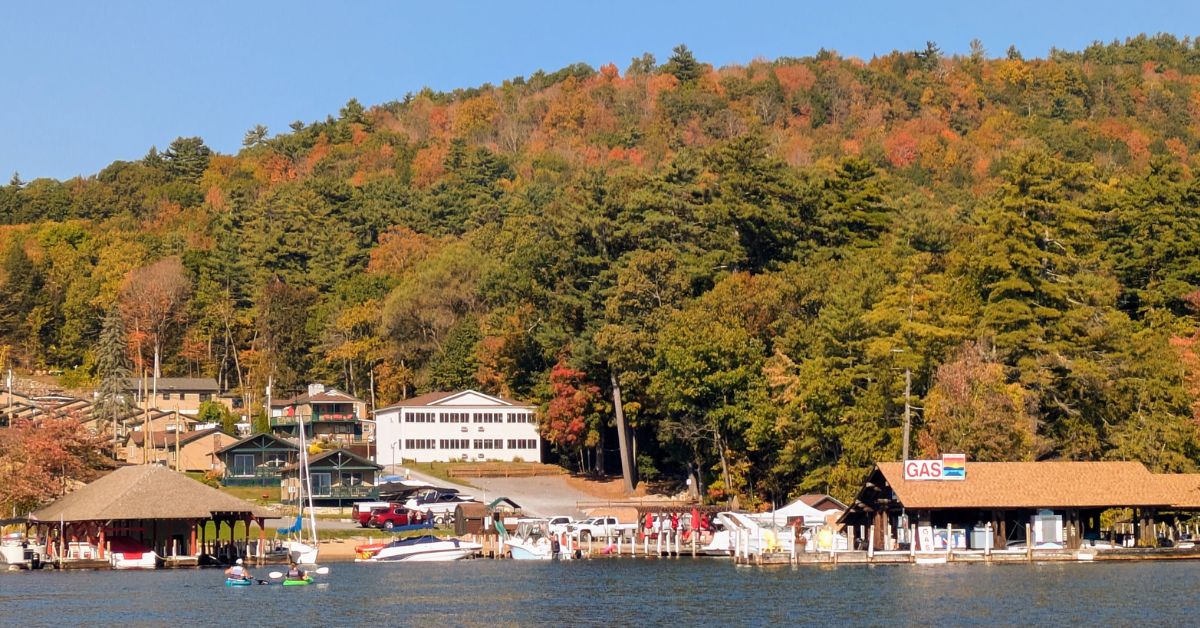
This can cause overnight temperatures to stay warmer longer near the water, delaying the color change. You can sometimes see this clearly in the Adirondacks, with mountain slopes bursting with color while shoreline trees are still mostly green, although this is usually a subtle, not drastic difference.
A Couple Other Lake George Foliage Matters to Keep in Mind
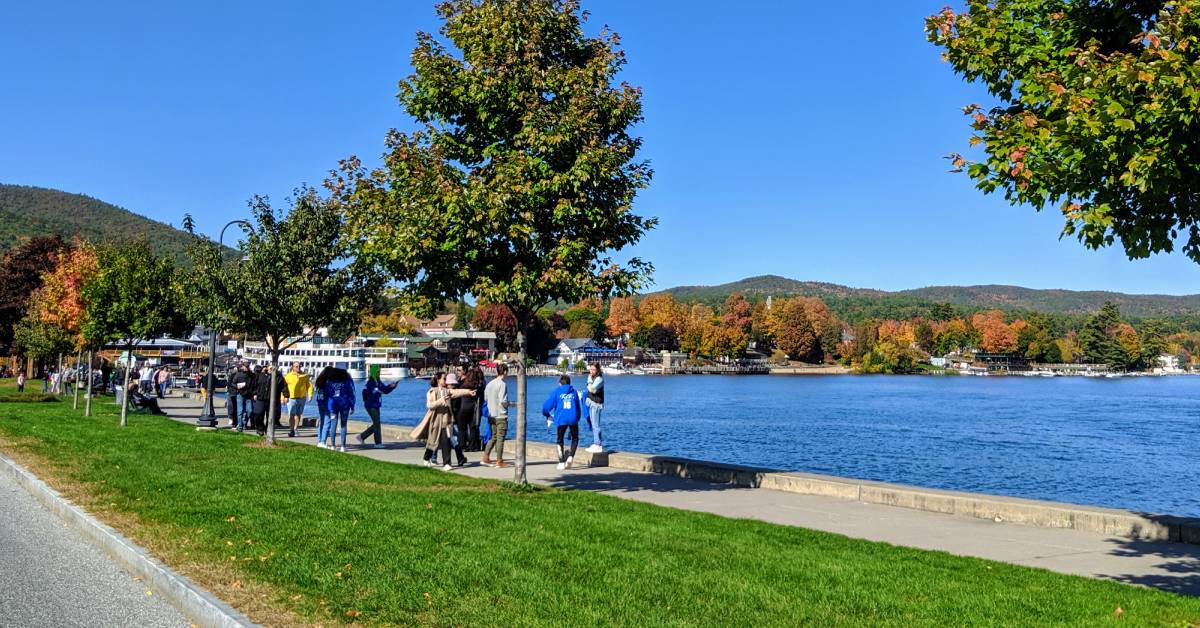
The color progresses from the north to the south, and from higher to lower elevations. Colors arrive in the Adirondacks first, then southern Adirondacks like Lake George, then Saratoga and the Capital Region, and so forth.
One other note: Weather doesn’t just affect the color of the leaves, but how long they stay on the trees as well. Strong winds, heavy rain, a hard freeze, and other elements can cause leaves to fall prematurely, even if they’re at a strong color.
It Doesn’t Have to Be Peak Foliage to Be Gorgeous
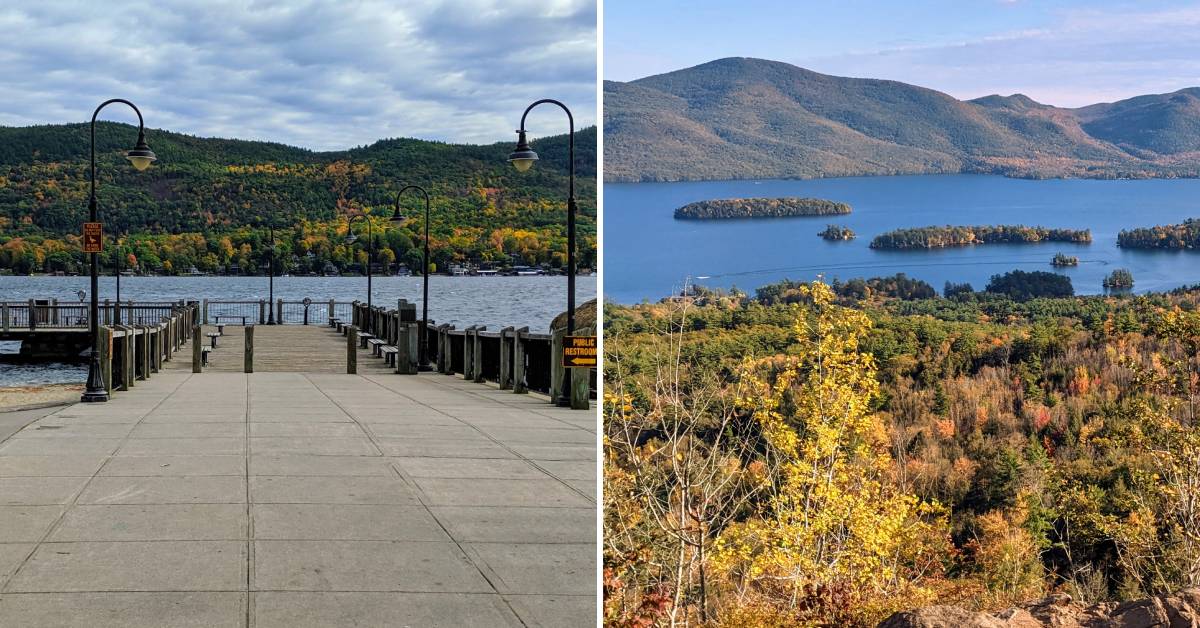
Please don’t look at the I Love NY Fall Foliage Report, see you’ve missed or will miss the boat on peak foliage, and decide you’re not coming. While “peak foliage” gets all the attention, the weeks leading up to it, and the time immediately after, can be just as rewarding.
Early color mixed with lingering greens creates a vibrant landscape, while late-season golds and bronzes offer a different, but just as stunning, autumn experience.
Don’t worry if your visit doesn’t perfectly line up with peak foliage. Color develops gradually over several weeks, and you’re likely to see a mix of orange, yellow, and red before peak, or rich golds or deep reds that linger afterwards.
Frequently Asked Questions (FAQ) About Peak Foliage in Lake George
When is peak foliage around Lake George?
It varies, but the second or third week of October is probably your best bet for Lake George Village. Communities at the northern end of the lake will reach peak sooner, around early to mid October.
Why does peak foliage happen at different times around Lake George?
Elevation, latitude, temperature, and overall weather all play a role, with lower-elevation areas staying warmer longer, and reaching peak color later.
What is the best week to visit Lake George for fall foliage?
The second or third week of October, but this is based on historical averages and is not guaranteed. What is guaranteed is that there will be popular fall festivals and events going on regardless of the leaves from late September through late October.
Is Columbus Day Weekend always peak foliage?
No, but it often is. There just isn't going to be a guarantee. Even if it's not at absolute peak, this is almost always a gorgeous time of year to visit.
How long does peak foliage last?
Peak foliage typically lasts about a week in any one location, although weather conditions can shorten or extend the season.
Can I still enjoy fall foliage if I miss peak?
Absolutely! The weeks leading up to and just after peak foliage can be just as scenic, with a mix of green and other colors.
Where can I check current fall foliage conditions?
I Love NY puts out an impressively detailed Fall Foliage Report each year, updated weekly, with super fun and hyper specific color descriptions often drawn from food items, like cinnamon red, mustard yellow, or pumpkin orange. You can also check out current views from Lake George web cams.
Discover unique ways to enjoy the Lake George foliage >>
« Back to the Leaf Peeping Guide