Uncover the Top 10 Things You Didn't Know About Lake George (But Should)
Lake George is a beloved destination known for its crystal-clear waters, scenic beauty, and classic summertime fun—but how much do you really know about the lake itself? Beyond the bustling village and postcard-perfect shoreline, Lake George holds fascinating stories, scientific quirks, and hidden history.
Whether you're a first-time visitor or a curious local, these ten fun facts will give you a fresh appreciation for this Adirondack gem—and maybe even help you shine at your next trivia night.
1. Lake George Is the Deepest Lake in the Adirondacks
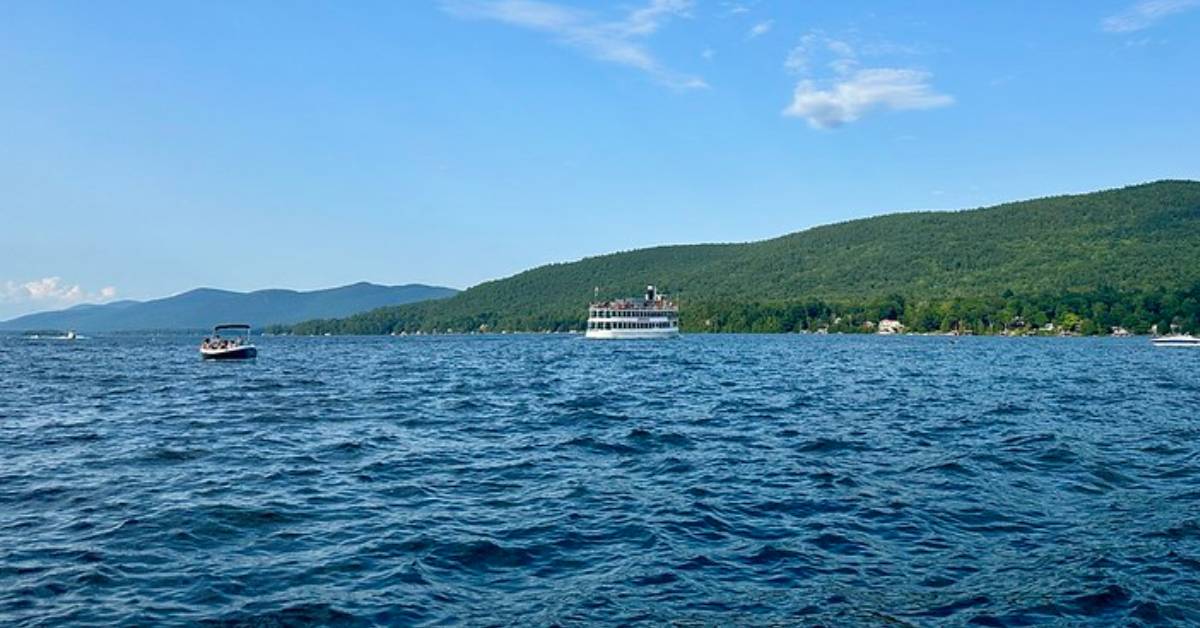
At its deepest point, Lake George reaches a depth of 196 feet. This spot lies between Dome Island and Buck Mountain, making it the deepest natural lake in the Adirondack region. Its depth contributes to its famously cold bottom waters and supports a range of aquatic life.
For boaters, anglers, and divers, the lake’s depth adds a level of intrigue and challenge. It’s one of the reasons Lake George draws experienced scuba divers and fishing enthusiasts throughout the year.
2. The Lake Stretches 32 Miles Long—With a Narrow Twist
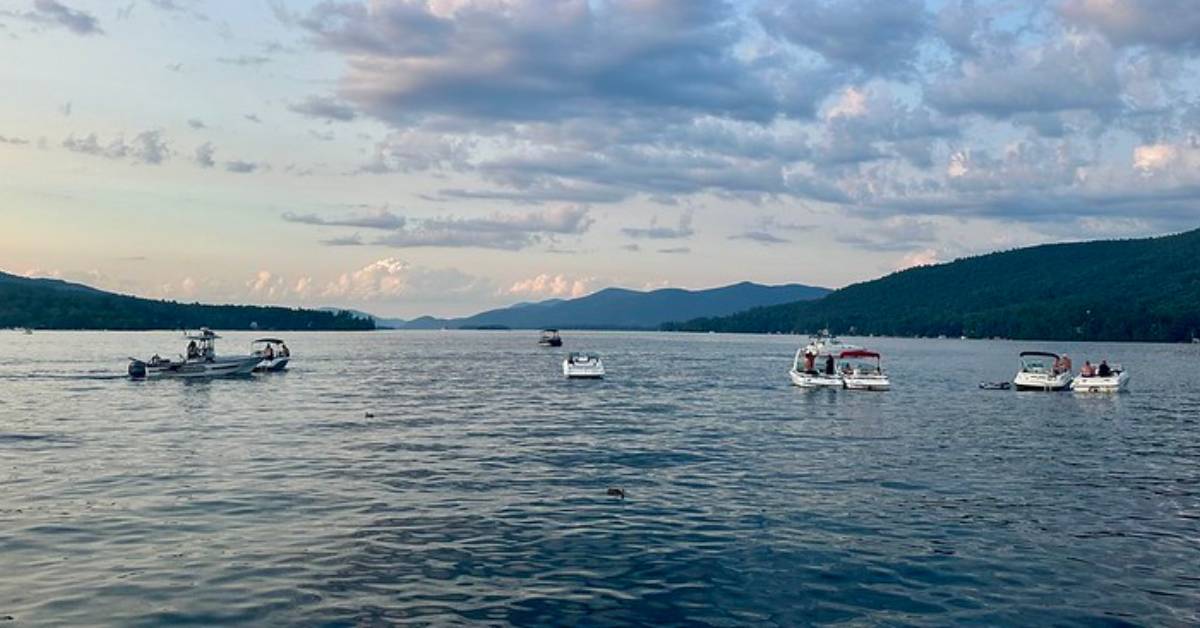
Lake George spans approximately 32 miles from north to south, making it one of the longest lakes in New York. At its widest point, it reaches about 2 to 3 miles across, but that doesn’t tell the full story.
In the midsection lies “The Narrows”—a tight five-mile stretch filled with small, rugged islands. This section feels like a different world, with dramatic shorelines and boat-only access to dozens of quiet coves.
3. Lake George Has Over 170 Islands
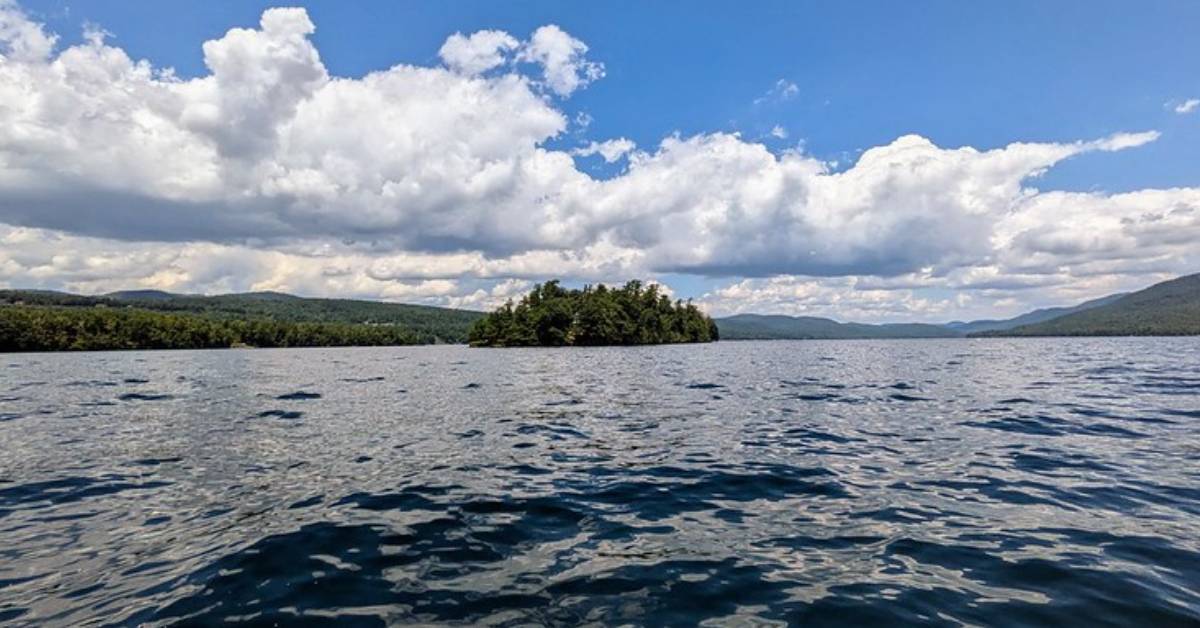
Scattered across the lake are more than 170 islands, many of which are open for public camping through the New York State Department of Environmental Conservation. Some are barely big enough for a picnic table, while others have trails and secluded beaches.
It’s one of the only places in the U.S. where you can reserve your own island campsite, and they book up fast. This makes Lake George a rare destination for adventurous campers and kayakers looking for solitude.
4. Lake George Is Nicknamed the “Queen of American Lakes”
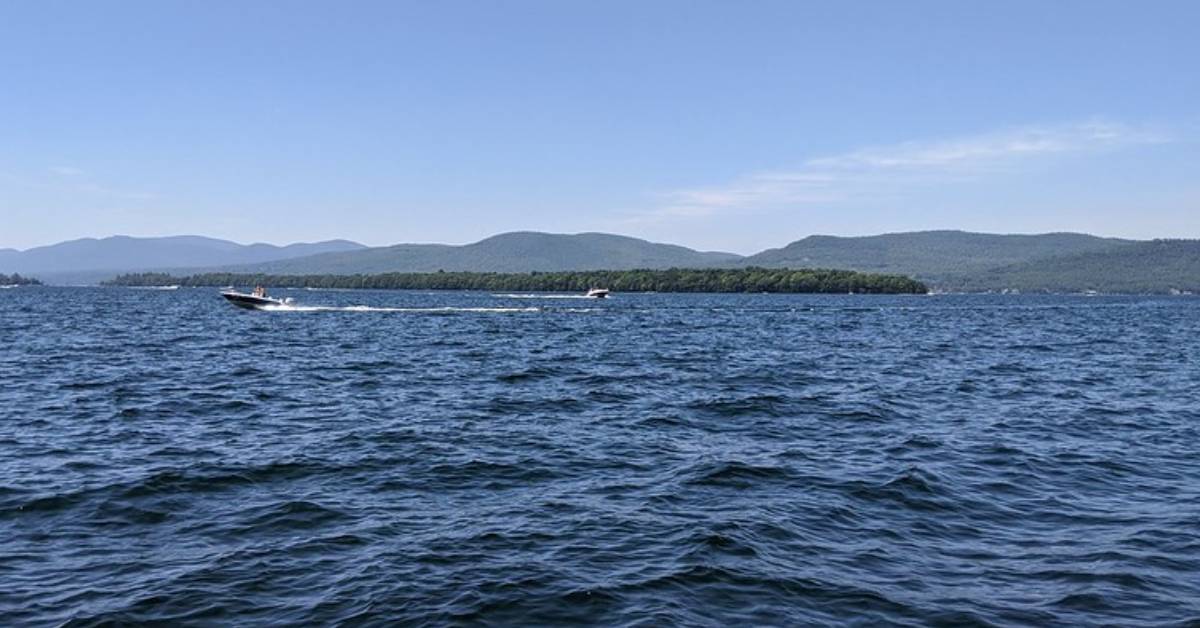
The nickname “Queen of American Lakes” has been associated with Lake George for over a century, but its exact origin is hard to pin down.
Some credit the phrase to author James Fenimore Cooper, who wrote about the region in the early 1800s. Others believe it came earlier—from Thomas Jefferson, who visited the lake with James Madison in the late 1700s and famously declared it “the most beautiful water I ever saw.”
Regardless of who said it first, the name stuck. With its mountainous backdrop, forested shoreline, and more than 170 islands, Lake George continues to earn its royal reputation. The balance of wilderness and accessibility has made it a beloved destination for generations—and a lake worthy of its title.
5. Its Waters Were Carved by Glaciers 10,000+ Years Ago
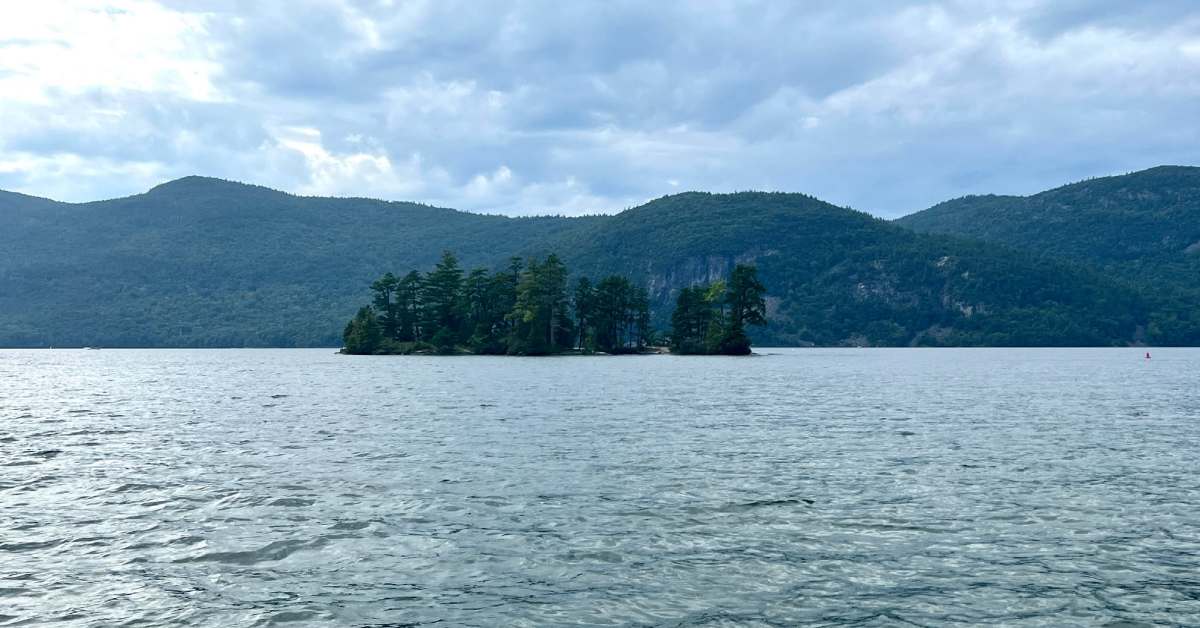
Lake George exists thanks to massive glaciers that carved the region more than 10,000 years ago. As the ice retreated, it left behind a deep valley, a perfect basin for what would become one of the Northeast’s most scenic lakes.
The rugged terrain surrounding the lake—steep mountains, rocky bays, and narrow channels—are all remnants of this glacial past. Understanding its formation gives new meaning to the lake’s dramatic landscape.
6. Lake George Is Known as the “Smartest Lake in the World”
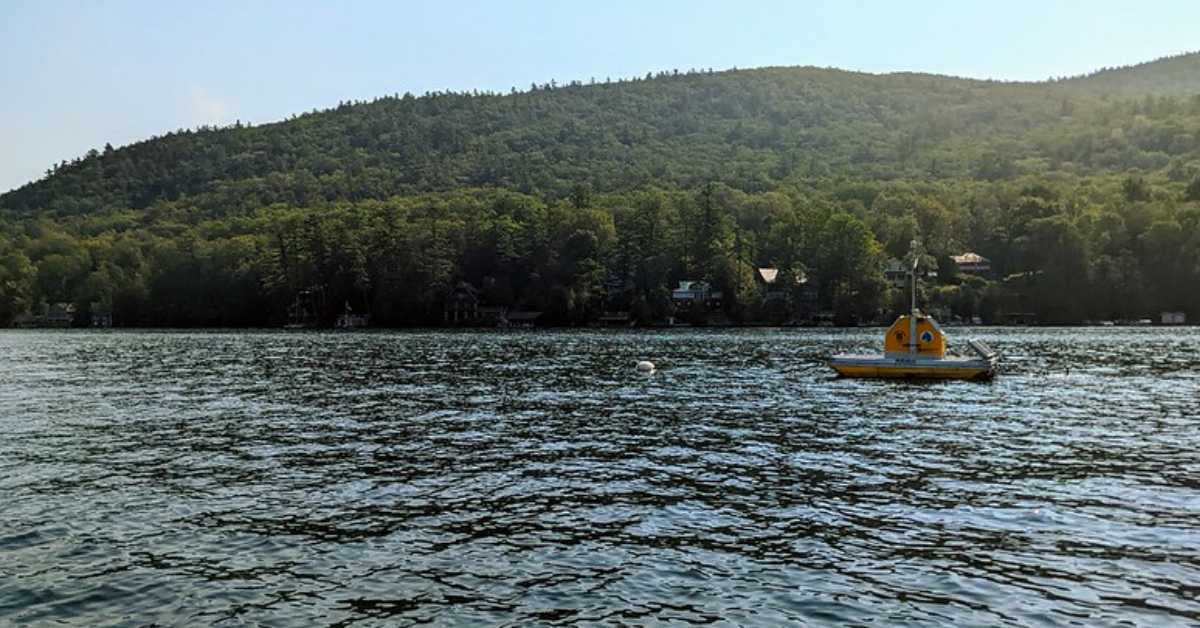
That’s not just a nickname—it’s a title backed by science. Lake George is home to the Jefferson Project, a groundbreaking partnership between IBM, RPI, and The FUND for Lake George that uses high-tech sensors to monitor everything from water temperature to pollution in real time.
This massive data effort helps scientists protect the lake’s health and provides a global model for freshwater conservation. It’s a powerful example of technology and nature working hand in hand.
7. A Revolutionary War-Era Warship Lies Beneath Its Surface
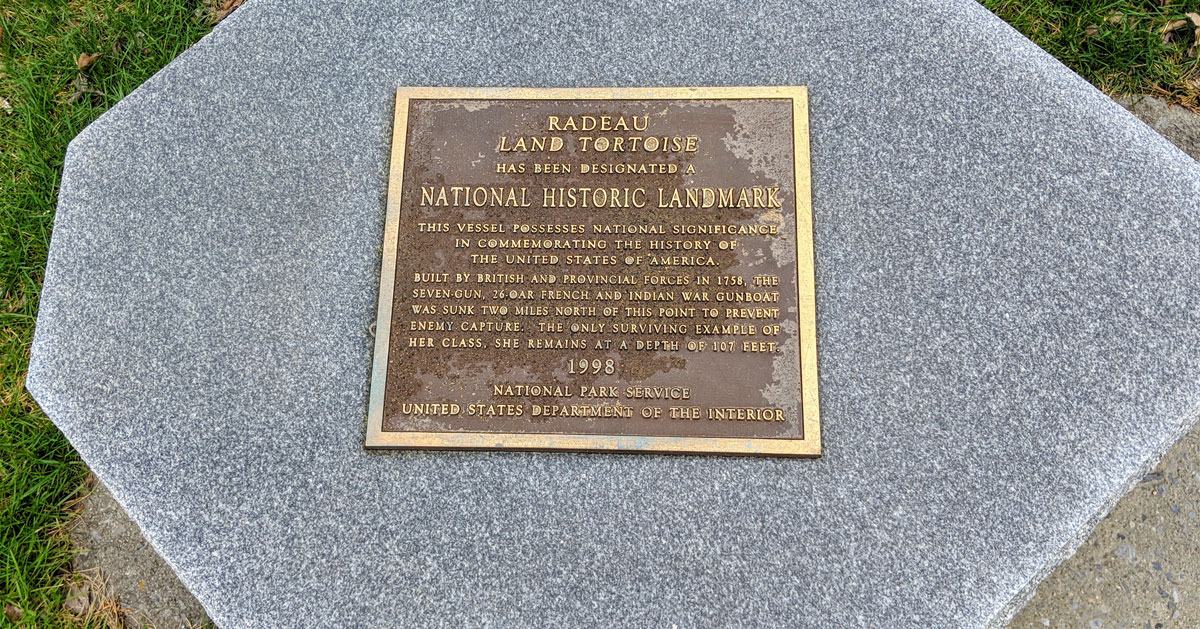
In 1758, during the French and Indian War, British forces constructed the Land Tortoise, a massive wooden radeau warship. It was intentionally sunk shortly after completion to preserve it for future use, but it was never recovered.
The wreck remained hidden until 1990, when it was rediscovered lying in over 100 feet of water near the southern basin of Lake George.
Today, the Land Tortoise is considered the oldest known intact warship of its kind in North America. It was designated a National Historic Landmark in 1998 and is now part of the Lake George Underwater Historic Preserve. Certified divers with a permit can visit the site, which remains remarkably well-preserved in the cold, deep waters.
8. The Lake Hosts America’s Oldest Operating Tour Boat
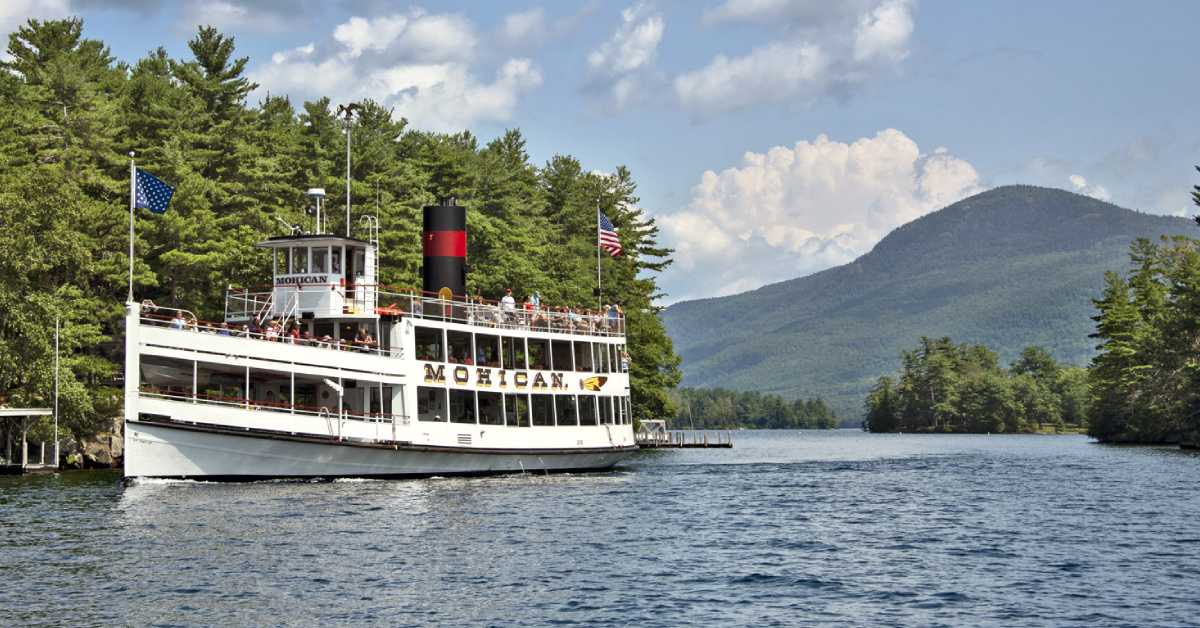
The Mohican II was launched in 1907 and still cruises Lake George today. Operated by the Lake George Steamboat Company, it holds the record for the longest continuously running passenger vessel in the U.S.
The boat offers narrated tours that share local history while cruising past islands and bays. Riding the Mohican is like stepping back in time—yet it remains a living, working part of the lake’s story.
9. Its Name Has Changed Three Times

Long before it was called Lake George, the lake was known by Indigenous peoples as Andia-ta-roc-te. While exact translations vary, the name is often interpreted to mean “lake that shuts itself in” or “where the lake is hemmed in by mountains,” a reflection of its narrow, mountainous geography.
In 1646, French Jesuit missionary Father Isaac Jogues became the first documented European to see the lake. He named it Lac du Saint Sacrement—“Lake of the Blessed Sacrament”—in honor of a Catholic holy day, the Feast of Corpus Christi.
More than a century later, in 1755, British General Sir William Johnson renamed it Lake George in honor of King George II of England. Each name reflects a distinct chapter in the lake’s cultural and political history, from its Indigenous roots to French missionary influence and British colonial control.
10. Its Water Is Some of the Clearest in the Northeast
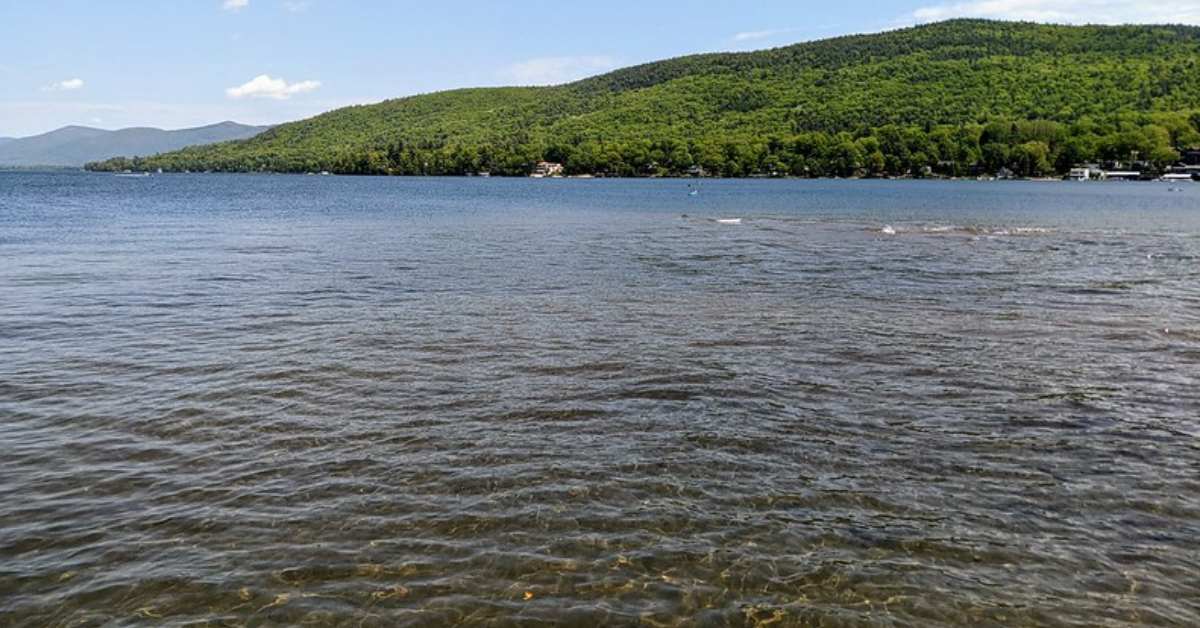
Lake George is famous for its crystal-clear waters, which often allow visibility up to 30 feet or more. Its clarity comes from a combination of geology, minimal pollution, and spring-fed inflow.
Thanks to ongoing conservation efforts and limited industrial activity, the lake maintains its exceptional purity. It’s so clean that in some areas, residents and camps draw drinking water directly from the lake.
So... How Many Did You Know?
Lake George isn’t just a popular summer spot—it’s a lake filled with stories, science, and surprises. Whether it’s the sunken warship, the century-old tour boat, or its high-tech monitoring systems, each fact reveals another layer of what makes this lake truly special.
Now that you know more than the average visitor, don’t keep it to yourself—share this list with a fellow Lake George fan or save it for your next trip. There’s always more to explore on and beneath the surface.