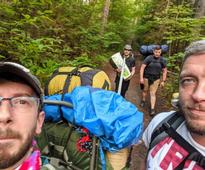
Little Harbor Island

user-pic
Vote 0 Votes

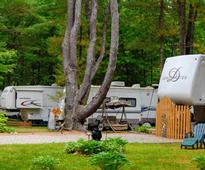
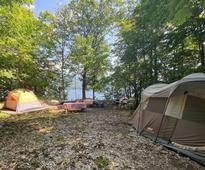
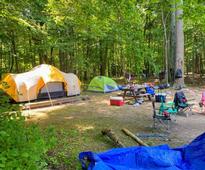
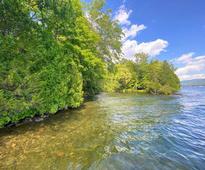
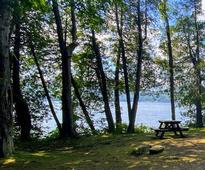
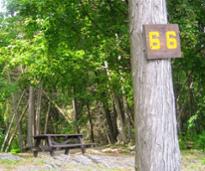
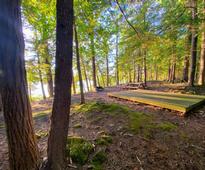
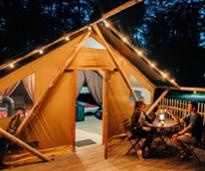
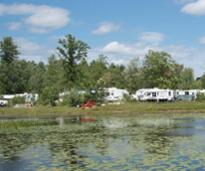
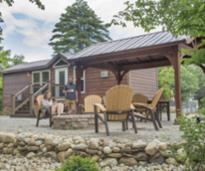
Little Harbor Island is north of Long Island on Lake George, surrounded by the beautiful Adirondack Mountains.
View Photos of Little Harbor Island Campgrounds & Learn More

Red Rock Bay

user-pic
Vote 0 Votes

Red Rock Bay Number 15Just a bit further north of the Glen Island group and on the east side of Lake George is an area called Red Rock Bay. Red Rock Bay is an area for camping, but is considered a cruiser site only. By this I mean that you must sleep on your boat at the dock, but you still have a picnic table, fire pit and outhouse. My favorite was Red Rock #15, located all the way to the back of the bay, which was perfect for swimming, fairly flat, deep, sunlit and very private. One of the great attributes of this site was that you were always protected from the winds and rough water. An added plus to this site was that you could take a short walk through the woods to one of Lake Georges many gems  Paradise Bay and there you could swing from a rope into the water or just jump off the rocks into the water. Information provided by The Boathouse Bed & Breakfast, located on Lake George.

Ranger Station: 518-499-1288

boatThe Narrow Island Group (not to be confused with the Narrows of the Glen Island Group) is located in the central part of Lake George, north of the Glen Island Group. The Narrow Island Group consists of the Mother Bunch of islands at the base of Black Mountain extending to Mallory Island off the eastern Silver Bay shoreline. Some of these islands are large enough to allow up to six people per campsite, but on some of the smaller islands, campers are restricted to only two or four per site. The Narrow Island Group is 7 miles north of Bolton. This is the quietest and most private of all the locations. The Narrow Island group is also ideal if you are launching a boat from Hague or Ticonderoga.

Ranger Station: 518-644-9696

hammock

Traveling north from the Long Island Group brings campers to the Glen Island Group, also referred to as the Narrows. These islands are in the central part of Lake George near Bolton Landing. Most sites on these islands allow up to six people, but some are limited to two or four people per site, depending on the size of the island. The Glen Island Group is just off of Bolton Landing and this ranger station is the closest one to Bolton Landing, NY. So if you are using a Bolton Landing Marina for launching your boat, the Glen Island Group is the best choice of islands for you.
See a map of the Glen Island Group (aka "The Narrows").

Get more info on the Glen Island Group:

Ranger Station: 518-656-9426

canoeThe first of the island groups are located at the southern basin of Lake George near Lake George Village. The Long Island Group actually consists of only one island, Long Island, which is about 100 acres in size. This group has about 90 campsites sprinkled throughout the island. Some of them are lakefront sites featuring breathtaking views of beautiful Lake George. Camping on Long Island is limited to two tents per site and six people per site. 
Get more information on Long Island camping in Lake George.


Island Camping

user-pic
Vote 0 Votes

There are 170 islands on Lake George, and you can camp on 44 of them! See map. The camping islands have a total of 387 campsites, as well as 116 picnic/day use sites on 8 islands. Picnic sites have grills, fireplaces & picnic tables. Nine have picnic shelters which you can reserve for a larger picnic and they are ideal for parties. You need to reserve the islands for day use or for camping, and there are some rules and restrictions.

There are three main clusters of islands available for camping on Lake George. Grouped by their locations on the Lake, the islands are: Long Island Group, Glen Island Group and Narrow Island Group. All islands are state owned. Some islands are very large, offering 90 campsites and having resident deer, while others are very small and private, big enough for only two or three campsites. All islands are equipped with at least one toilet facility, fireplace and picnic table.

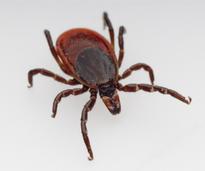
It's very common to find a tick on your body after a long day outdoors. Camping is no exception. It's very important to remove a tick properly and promptly to ensure that no unnecessary harm is done.

To avoid being targeted by ticks, dress in long clothing, wear tick repellentavoid tall grasses and check yourself often. Unlike mosquitoes and other noisy bugs, ticks usually show up on your body undetected. These tiny parasites also crawl around for a while before actually latching on to bite, and again this 'bite' usually goes undetected. They often prefer a warm, cozy location on your body to nestle in. Be sure to check everywhere on your body (armpits, behind ears, back of knees, etc.) for these nearly invisible little critters.

Despite your best efforts to fend off ticks, these little pests often manage to find you anyway. That's why it's important to know how to deal with ticks if you find one on yourself or another camper. Some ticks carry febrile diseases such as Lyme disease, a tick-borne illness that causes rash and flu-like symptoms, including fever, joint aches and fatigue. Risks are generally low if the tick is removed shortly after implantation, but they greatly increase if you wait more than 24 hours to remove it. So make sure to remove the tick as soon as possible after detection.

Upon discovering a tick that has already latched on to the skin, grab a pair of pointed-tippedtweezers. With the tweezers, grasp the tick's head by its mouth parts and tug gently until it lets go. Immediately clean the affected area with an antiseptic, and disinfect the tweezers as well.Keep the tick in a sealed container to bring to the doctor's office for testing.

DO NOT attempt to burn a tick off your body or smother it with petroleum jelly. These methods can actually increase your likelihood of developing an infection because they may cause the tick to release infected fluid into your bloodstream.


Staying Safe

user-pic
Vote 0 Votes

Wear life jackets when boating, and if you are camping near water with kids, have them wear their life jackets walking around camp (even when not swimming) just in case they wander into the water.

Bring a First Aid kit along with you in case of an emergency or illness. The kit should include a thermometer, bandages, gauze, hydrogen peroxide, triple antibiotic cream and hydrocortisone along with any necessary prescriptions, such as allergy and blood-pressure medications.

Prepare for the worst. Even simple over-the-counter drugs to treat a stomach ache, diarrhea or headache can make all the difference in the world when you're secluded in the wilderness. Tweezers and needles are also handy tools to have in the event that a tick or splinter is acquired while camping.

Don't drink the lake water. Though the water may look crystal clear and harmless, there may be any number of microorganisms and natural waste deposits that could cause illness or diarrhea. Bring plenty of drinks and purified water along to stay hydrated throughout your trip.

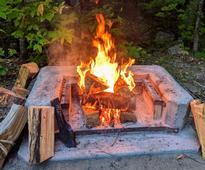
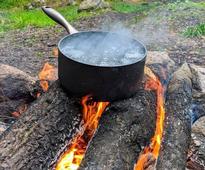
Never leave the campfire burning unattended! Put out the fire before going to bed by saturating it with water and dirt or sand. If you are going out for the day to fish, hike or swim, make sure to put the fire out or leave someone behind to monitor it. This ensures the safety of not only your campsite, but the safety of nearby campers as well.

Storing Food

user-pic
Vote 0 Votes
Don't leave food exposed overnight or for long periods of time. Wild animals catching a whiff of your leftovers can pose a serious threat to your safety--and your food supply. Tightly seal any food into plastic containers or bags and keep them in a designated sack. This sack should never be brought into the tent, and it is wise to swing the sack over a high tree limb overnight to discourage wild animals from breaking into it. Raccoons, skunks and squirrels are notorious for snatching exposed food from campers.

Staying Entertained

user-pic
Vote 0 Votes
Camping is a great time to kick back, relax and enjoy nature. But sometimes you need a little more than that to keep yourself entertained. Cards, charades and board games can make for a joyful night of teasing, laughing and fun. Campfire stories are also an exciting way to spruce up a quiet evening, and for something a little different, have each camper take turns telling one sentence of the story. During the day, swimming, fishing and hiking are great ways to stay busy and make the most of being in the great outdoors. Bird watching and spotting squirrels are some other ways to enjoy nature, especially with small children.

Leave a Comment