The History of The Comet Roller Coaster at The Great Escape
The Comet roller coaster has been a part of The Great Escape landscape since 1994. When you ride on this coaster, you're not just experiencing an amusement park ride, you're a part of the history.
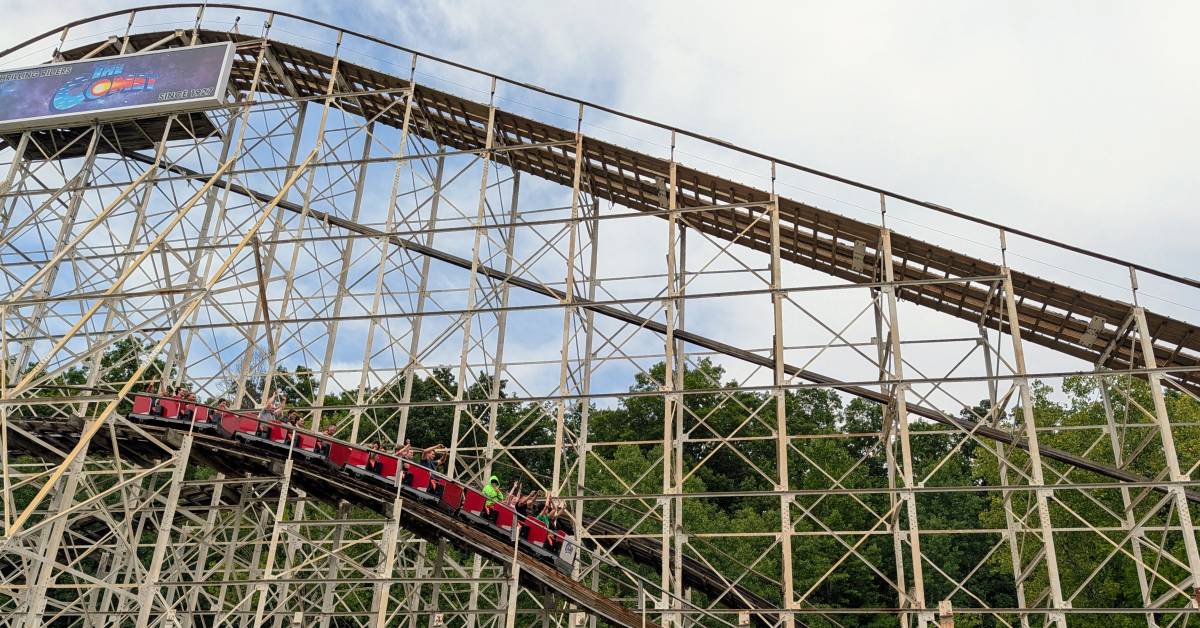
Keep reading to see a timeline on how The Comet came to be at The Great Escape, a rundown of the difference between wooden and steel coasters, and a breakdown of all the roller coasters you can expect to see at The Great Escape today.
The Comet: A Timeline
1927 - 1946
The Comet got its start at Crystal Beach Park in Ridgeway, Ontario, along the shores of Lake Erie, under a different name. The Cyclone opened in 1927 thanks to famous ride designer Harry Traver, and it was instantly known for its terrifying drops and intense ride.
The Cyclone was difficult to maintain - you'll learn soon that wooden coasters require more maintenance than steel - and those in charge decided to revamp the ride instead of scrapping it.
After temporarily closing the ride in 1946, Herbert P. Schmeck of the Philadelphia Toboggan Company, with the assistance of designer John C. Allen, redesigned the coaster into a smoother, faster, and more enjoyable ride, with a classic out-and-back wooden layout.
1948 - 1989
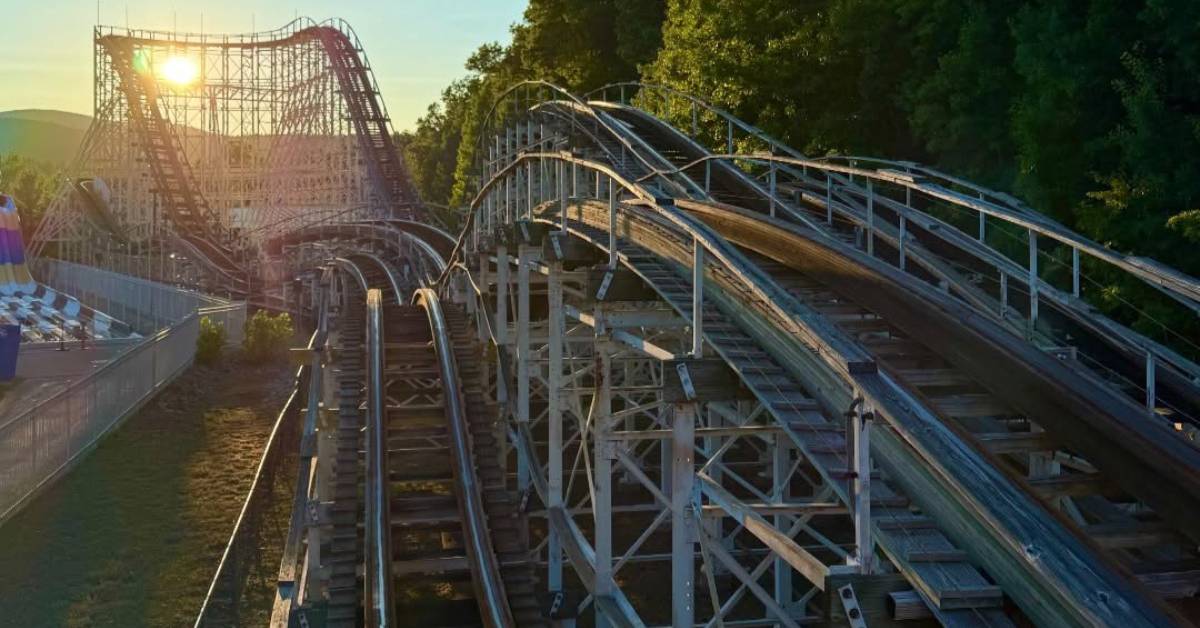
The Comet under its new name officially opened at Crystal Beach in 1948, where coaster lovers enjoyed an 87-foot vertical drop and max speeds of 55 miles per hour. The Comet remained hugely popular at "Buffalo's Coney Island" for over 40 years.
The amusement park was experiencing financial difficulties, in addition to heavy competition from new, large theme parks that started popping up in the 1970s and 1980s; this is also when steel coasters started to become popular.
Western New Yorkers and Canadians were frequenting parks like Canada's Wonderland, which opened in 1981. Crystal Beach was forced to close its doors in 1989.
1989 - 1993
Enter Charles R. Wood to the rescue! As the visionary founder and owner of The Great Escape, he'd been searching for an iconic, wooden coaster to bring to the Queensbury theme park. When Crystal Beach went to auction, Wood bought The Comet for $210,000.
If that sounds like not that much money for a massive roller coaster, even in 1989, hold onto your hats! Dismantling and moving the massive coaster required 49 tractor-trailers and cost $240,000 - more than the coaster itself!
Wood was determined to keep the authenticity of the coaster, but ran into a problem: The Comet did not meet modern safety standards. Instead of buying replacement cars, he commissioned the original Philadelphia Toboggan Company to custom build new cars modeled after the originals. Construction began in 1993.
1994 - Present Day
The Comet opened (or reopened, depending on how you look at it) at The Great Escape in June of 1994, after being constructed under the supervision of J.R. Hyatt along with consulting engineers John Pierce and Frank Hardick.
On September 13, 2009, the American Coaster Enthusiasts officially designated The Comet an ACE Roller Coaster Landmark, cementing its status as an enduring piece of American amusement park history.
The Comet continues to be one of the most popular rides at The Great Escape. We're sorry that Canadians and Western New Yorkers had to say goodbye to the beloved coaster, but we're grateful that their loss is our gain.
The Comet at a Glance: Key Stats
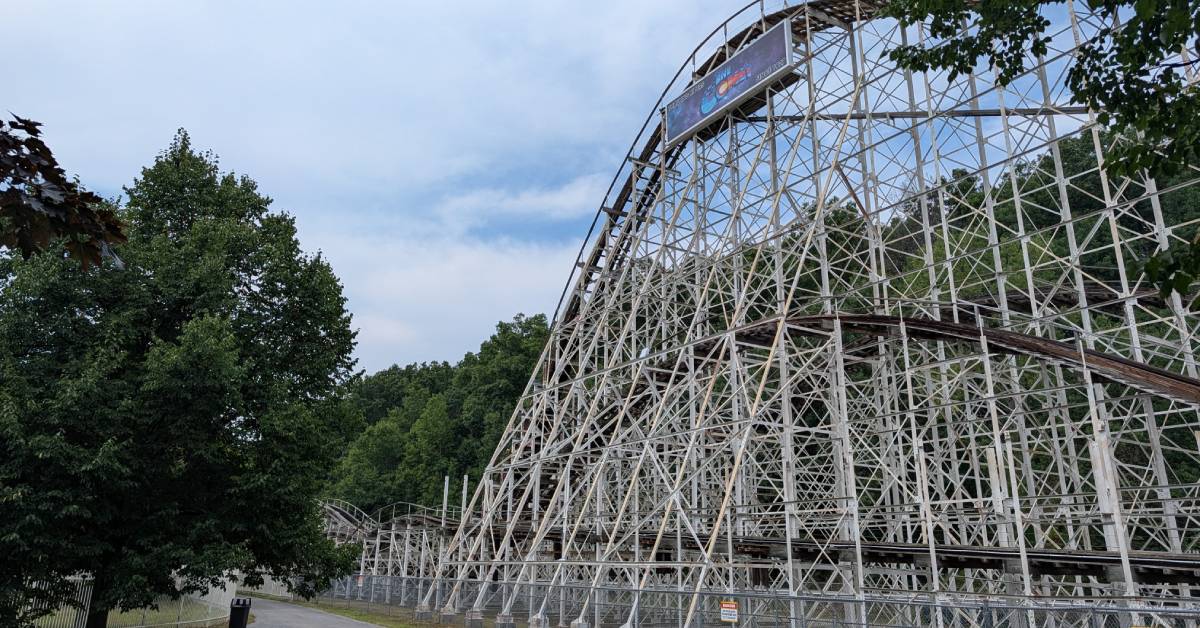
- Height: 95 feet
- First Drop: 85 feet
- Length: 4,197 feet (over 3/4 of a mile)
- Top Speed: 55 mph
- Ride Duration: 2 minutes, 15 seconds
- Type: Hybrid Structure Wooden Coaster (with steel support frame/layered wooden track)
Wooden Coasters VS Steel Coasters
Part of what makes The Comet so unique and special is the fact that it's a wooden coaster, which offers a very different experience from its steel counterpart.
The Classic "Woodie"
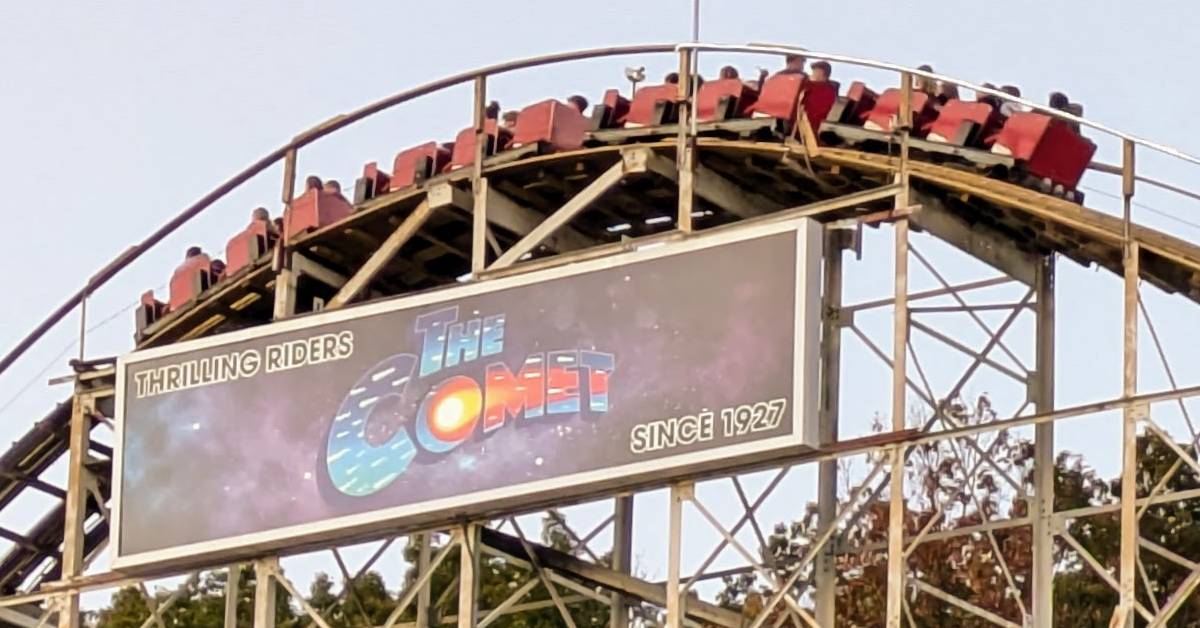
Traditional wooden roller coasters, dubbed "woodies," feature a track made of stacked, laminated timber (often pine or Douglas fir), topped with thin steel running rails.
Wooden coasters are known for their raw sense of speed and a feeling of being out of control thanks to the swaying timber frames. Although they are safe, there is a sense of not being safe, compared to steel coasters.
Another key difference is the fact that wooden roller coasters almost always do not go upside down like steel often do, but instead draw thrills from steep drops and floating "airtime" hills.
The other thing about wooden coasters is that they require more maintenance and upkeep, including to replace sections of the ride at a time, over time, to remove worn timber.
The Steel Evolution
As mentioned before, steel coasters gained in popularity in the 1970s and 1980s. They offered a smoother, more rigid ride experience, allowing for steep vertical drops, extreme speeds, and inversions like upside down loops, corkscrews, and rolls. They're also less maintenance.
A Look at All the Coasters at The Great Escape
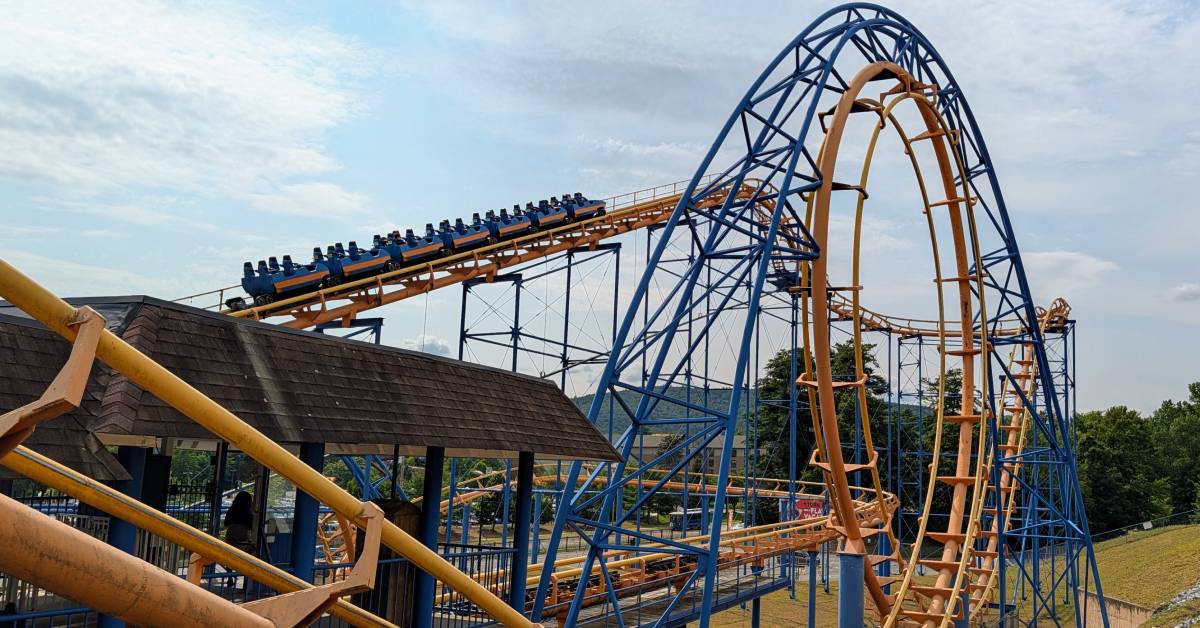
There are several steel coasters at The Great Escape:
- The Steamin' Demon: Opened in 1984, classic looping steel coaster with a loop and double corkscrew
- Flashback: Opened in 1997 as the Boomerang, a high-speed coaster that sends riders forwards and backwards through loops and inversions
- Canyon Blaster: Opened in 2003 (and has historically been closed often, but as of 2026 is been in operation), family-friendly runaway mine train coaster
- Frankie's Mine Train: Opened in 2005 as Road Runner Express, a gentle kiddie coaster for the little ones in Timbertown
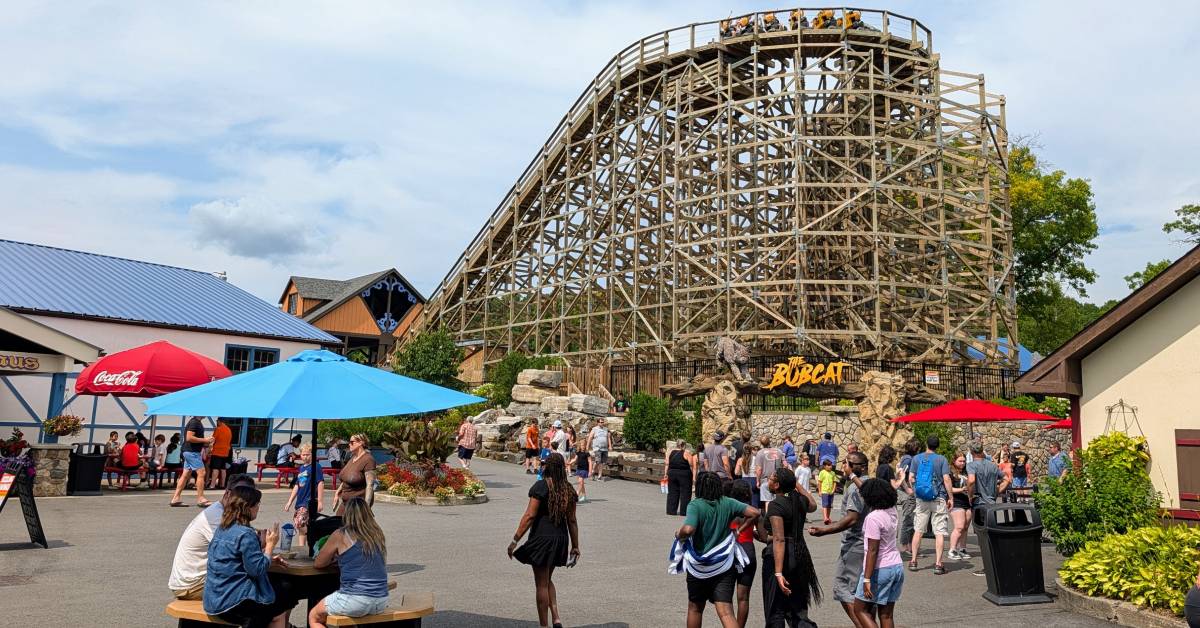
And there's one other wooden one besides The Comet:
- The Bobcat: Opened in 2024 as The Great Escape's newest coaster, this one is a fast and thrilling ride
Frequently Asked Questions (FAQ) About The Comet
How tall do you have to be to ride The Comet?
Riders must be at least 48 inches (4 feet) tall to ride alone. Kids 42 inches (3 feet, 6 inches) tall can ride with an adult or supervising companion.
How tall is the biggest drop on The Comet?
The highest peak stands at 95 feet tall, with its first massive drop at 85 feet, at a 55-degree angle.
How fast does The Comet go?
The Comet reaches a top speed of 55 miles per hour.
Is The Comet wooden or steel?
The Comet is a hybrid wooden coaster. While largely considered a wooden coaster, it does feature a heavy-duty steel support frame that's paired with a traditional layered timber track topped with steel running rails.
Does The Comet go upside down?
No. Like most wooden coasters, it does not feature inversions or go upside down. Don't let that fool you, though - it's plenty thrilling with steep drops, sweeping turns, and intense "airtime" over hills!
Where is The Comet located at The Great Escape?
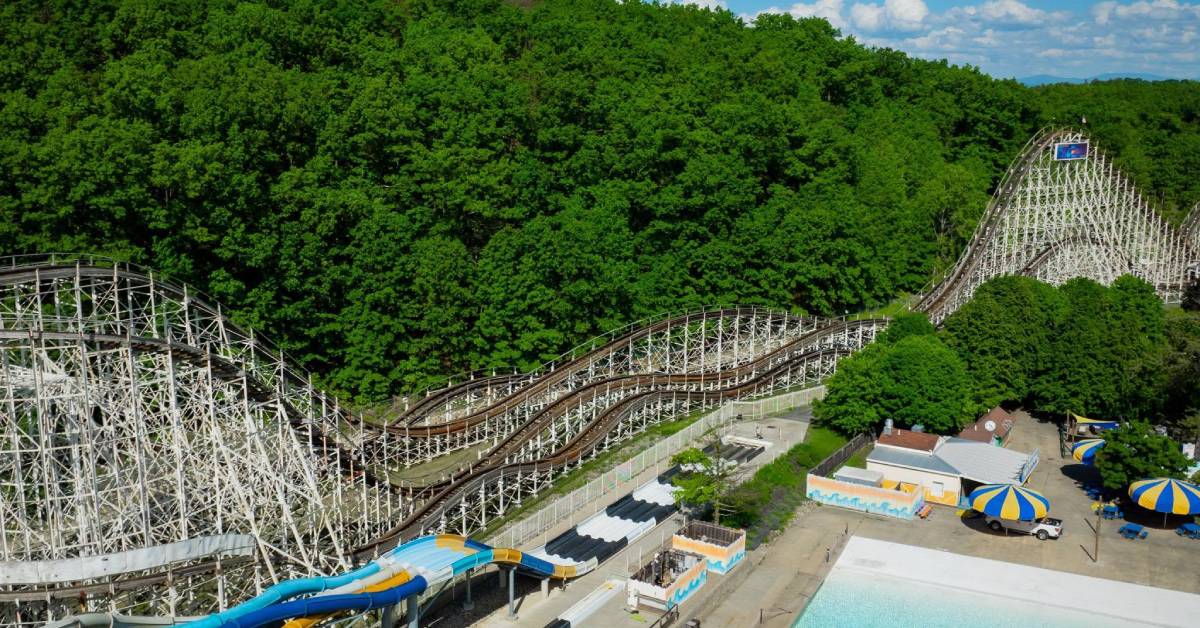
The Comet is situated in the back of the park, near the wave pool and Extreme Supernova. It's pretty big, so you'll see it!
Explore more Lake George area attractions >>